student career guide after 12th is help in Choosing a career after completing 12th grade is one of the most important decisions in a student’s life. Students stand at a crucial turning point where the right career choice can shape their future. With a wide range of options available in fields like science, commerce, arts, technology, and vocational studies, it is important to choose a path based on personal interests, strengths, and long-term goals.

In 2026, career opportunities are no longer limited to traditional professions like doctor or engineer. New-age careers such as data science, digital marketing, artificial intelligence, design, finance, and entrepreneurship are growing rapidly. Therefore, students must understand all available options before selecting a path.
This guide will help students explore different streams, career options, skill need and common mistakes in choosing career after 12th.
Why is Student Career Guide after 12th is Important?
Student Career guide after 12th is essential because it helps students understand their strengths and weaknesses, identify their interests, and provides them with the tools needed to make informed decisions about their future. Effective career guidance can prevent students from making hasty decisions that might lead to job dissatisfaction or career changes later in life. Moreover, it ensures that students are well-prepared to enter the job market and succeed in their chosen fields.
The Career Planning Process
The career planning process involves several key steps:
- Self-assessment: Students need to assess their interests, values, skills, and personality traits. Tools like career personality assessments can be highly beneficial in this stage. A thorough self-assessment helps students understand their strengths and areas for improvement, which is critical for making well-informed career choices.
- Exploration: Researching different types of careers and understanding the requirements, responsibilities, and opportunities associated with each one is vital. This stage involves gathering information about various careers, including the nature of work, job prospects, and necessary qualifications.
- Decision-making: Evaluating different career options and deciding which one aligns best with the student’s personal goals and interests. This step requires careful consideration of all the information gathered during the exploration phase.
- Action plan: Developing a plan that outlines the steps needed to achieve career goals, including education and training requirements. An action plan provides a clear roadmap for students to follow, ensuring they stay on track towards their career objectives.
- Implementation: Taking action on the plan, which may involve pursuing higher education, internships, or job opportunities. This final step is about executing the plan and making continuous adjustments as needed based on new insights and experiences.
How to Choose the Best Career After 12th ?
Choosing the best career after 12th is one of the most important decisions for every student. With so many options available in Science, Commerce, Arts, and skill-based fields, it is normal to feel confused. However, choose the right career path depends on your interests, skills, and future goals — not on pressure or trends.
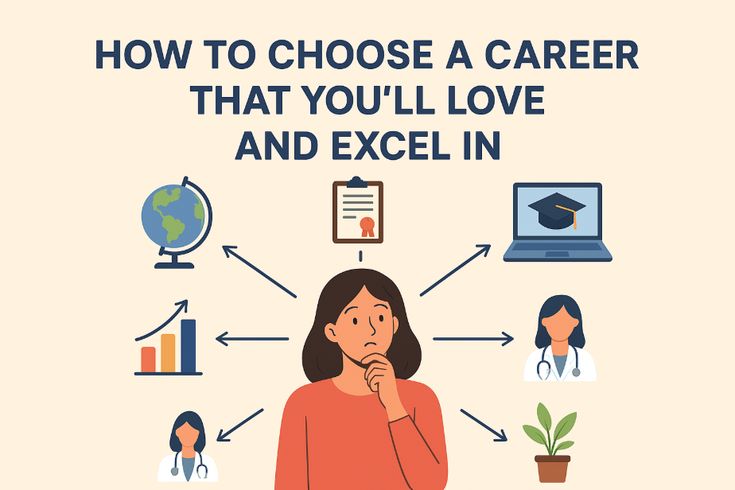
1. Know Your Interests
The first step is to understand what you truly enjoy studying or doing. When you choose a career based on your interests, you are more likely to stay motivated and succeed.
2. Identify Your Strengths and Skills
Everyone has different abilities. Some students are good at mathematics and analysis, while others are creative or strong in communication. Choose a career that matches your natural strengths.
3. Research Career Options
Before making a decision, research different courses, colleges, job roles, and future scope. Understanding career growth, salary potential, and industry demand will help you make a smart choice.
4. Set Clear Career Goals
Think about your long-term goals. Ask yourself where you want to see yourself in the next 5–10 years. Clear goals provide direction and focus.
5. Seek Proper Guidance
Talk to teachers, parents, career counselors, or professionals in the field. Their advice and experience can help you avoid common mistakes.
6. Avoid Pressure and Comparison
Do not choose a career just because your friends are choosing it or because society expects it. Your journey is unique, and your career should reflect your passion and ambition.
Career Option After 12th – Stream Wise
After 12th grade, students have many career options depending on their stream and interests. Here are some popular choices:
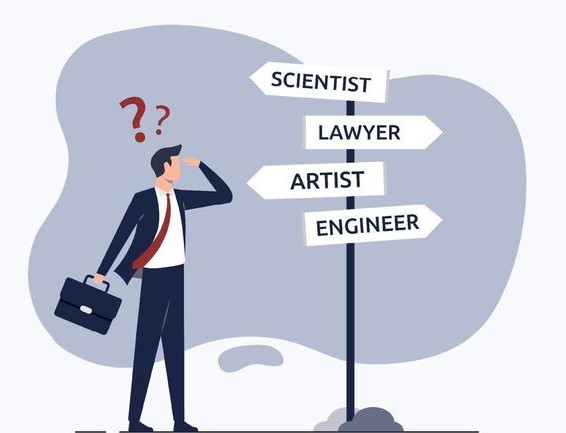
Science Stream
- Engineering (B.Tech/BE)
- Medical (MBBS, BDS, B.Sc Nursing)
- Pharmacy
- Biotechnology
- Computer Science / IT
- Data Science & AI
- Environmental Science
Commerce Stream
- B.Com (General / Honours)
- Chartered Accountancy (CA)
- Company Secretary (CS)
- Business Administration (BBA)
- Banking & Finance
- Digital Marketing
- Economics
Arts / Humanities Stream
- BA (History, Political Science, Psychology, English, etc.)
- Journalism & Mass Communication
- Law (LLB / Integrated Law)
- Hotel Management
- Fashion Designing
- Social Work
💻 Professional & Skill-Based Courses (All Streams)
- Graphic Designing
- Web Development
- Animation & Multimedia
- Aviation & Hospitality
- Event Management
- Foreign Languages
Choosing the right career option after 12th should be based on your interests, skills, and future goals. Research well, explore opportunities, and consider career counseling if needed.
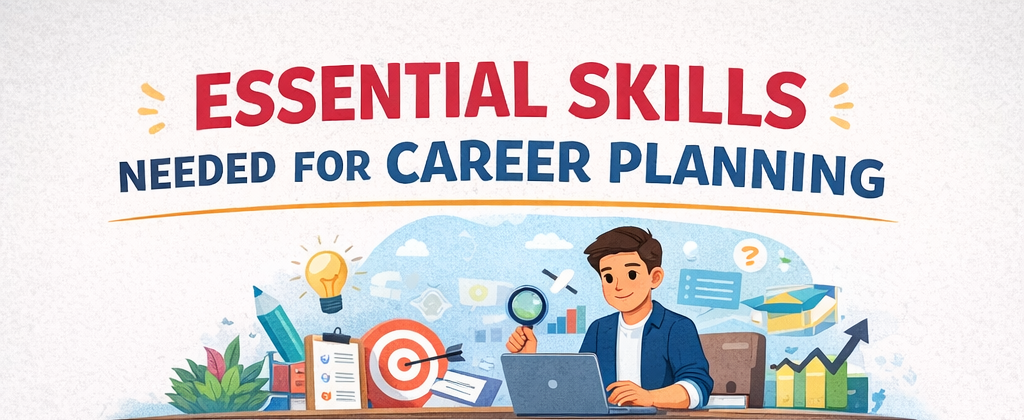
Essential Skills Needed for Career Planning
Career planning is an important step in building a successful future. It is not only about choosing a course after 12th but also about developing the right skills to make smart and confident decisions. When students focus on improving certain key skills, they can plan their careers more effectively and avoid confusion.
1. Self-Assessment Skills
Understanding your interests, strengths, weaknesses, and values is the foundation of career planning. When you know yourself better, you can choose a career path that truly matches your personality and goals.
2. Decision-Making Skills
Good decision-making helps students compare different career options and select the most suitable one. Learning to analyze advantages and disadvantages reduces uncertainty and builds confidence.
3. Goal-Setting Skills
Setting clear short-term and long-term goals gives direction to your career journey. Goals keep you motivated and help you stay focused on achieving success.
4. Research Skills
Proper research about courses, colleges, job roles, salary trends, and future demand is essential. Well-informed decisions always lead to better career outcomes.
5. Communication Skills
Strong communication skills are important for interviews, presentations, networking, and professional growth. They help you express your ideas clearly and confidently.
6. Time Management
Managing time effectively allows students to balance studies, skill development, and career preparation without stress.
7. Adaptability and Continuous Learning
The job market changes rapidly. Being flexible and ready to learn new skills helps you stay competitive and grow in your chosen field.
Common Mistakes Students Make While Choosing a Career
Choosing the right career is one of the most important decisions in a student’s life. However, many students make mistakes due to confusion, pressure, or lack of proper guidance. Avoiding these common errors can help you make a smarter and more confident career choice.
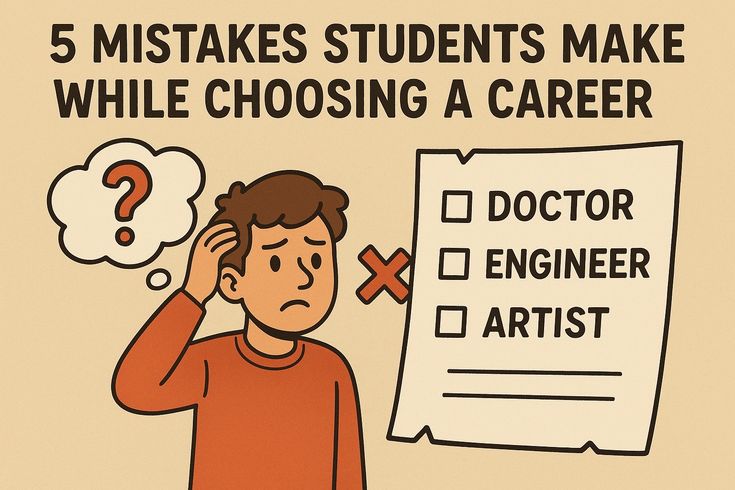
1. Following the Crowd
Many students choose a career just because their friends are choosing it. For example, selecting engineering or medical simply because others are doing it can lead to dissatisfaction later. Your career should match your interests, not someone else’s choice.
2. Parental or Social Pressure
While parents want the best for their children, choosing a career only to satisfy family expectations may not bring personal happiness. It is important to balance guidance with your own passion and strengths.
3. Choosing Based Only on Salary
High salary is attractive, but it should not be the only factor. Long-term success depends on interest, skills, and job satisfaction, not just income.
4. Lack of Research
Many students do not properly research courses, colleges, job roles, and future demand. Without understanding the field clearly, wrong decisions can happen.
5. Ignoring Personal Interests and Strengths
Every student has unique talents. Ignoring your natural abilities and choosing something that does not match your skills can lead to frustration.
Conclusion
Student career guide after 12th is help to Choosing the right career after 12th is a major step toward building a successful future. With many options available in Science, Commerce, Arts, and skill-based fields, students must make informed and thoughtful decisions. Understanding your interests, identifying your strengths, developing essential career planning skills, and avoiding common mistakes are all important parts of this journey.
Career planning is not about following the crowd or choosing a path based only on salary or pressure. It is about selecting a career that matches your passion, abilities, and long-term goals. With proper research, guidance, and confidence, every student can choose the right path and create a bright and fulfilling future.