Government exams are one of the most competitive career paths in India. Every year, lakhs of students apply for exams like SSC, UPSC, Banking, and Railways, but only a small percentage succeed. The difference between success and failure is not intelligence—it is strategy, consistency, and smart work.
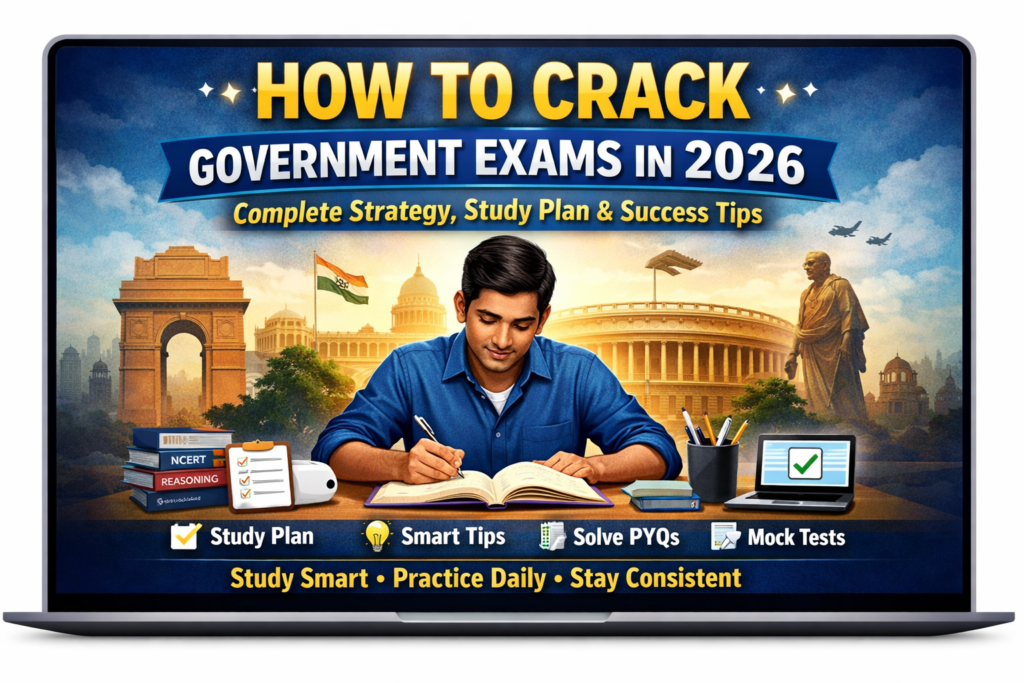
If you are serious about cracking a government exam in 2026, this complete guide will give you a step-by-step roadmap, including study plans, subject strategies, and expert tips.
Why Government Exams Are Tough ?
Government exams are considered tough mainly due to the intense competition and limited vacancies. Every year, a large number of candidates apply for a small number of positions, making the selection process highly competitive.

Government exams are challenging because:
- Huge competition (lakhs of aspirants)
- Limited vacancies
- Time pressure during exams
- Multiple subjects to prepare
Understand the Exam Pattern & Syllabus
Before starting preparation:
- Carefully analyze the syllabus
- Understand exam pattern (Prelims, Mains, Interview)
- Check marking scheme & negative marking
Why This Step is Important ?
- Prevents wasting time on irrelevant topics
- Helps you focus on scoring areas
- Gives clarity on preparation direction
Complete Study Plan for Government Exams
Preparing for government exams like UPSC Civil Services Examination, SSC CGL, and IBPS PO requires a smart, structured, and consistent study plan. A well-organized strategy helps students cover the syllabus effectively, improve accuracy, and boost confidence for the exam.
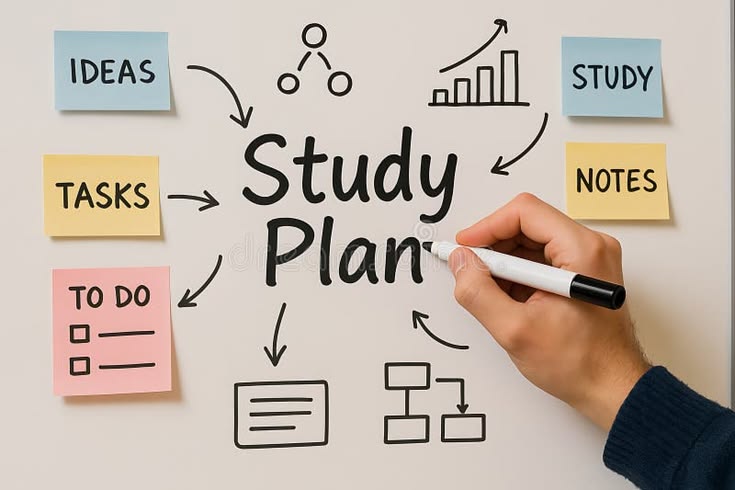
A proper study plan ensures that candidates can manage time efficiently, focus on important topics, and revise regularly, which is essential for cracking competitive exams.
Beginner Phase (0–3 Months)
- Focus on basics (NCERT level)
- Build strong concepts in Maths & English
- Start reading current affairs
Example Study Routine:
- 2–3 hours: Core subjects (Maths, Reasoning, GS)
- 1 hour: Current affairs
- 1 hour: Practice questions
- 30 mins: Revision
Intermediate Phase (3–6 Months)
- Start solving previous year papers
- Practice topic-wise questions
- Improve speed and accuracy
Make Short Notes
- Important formulas
- Key concepts
- Current affairs
Advanced Phase (6+ Months)
- Attempt mock tests regularly
- Revise short notes
- Focus on weak areas
Subject-Wise Preparation Strategy
Preparing for government exams requires a well-structured subject-wise approach. Each subject demands a different strategy, and mastering them individually can significantly improve your overall performance. Below is a professional and effective breakdown:
Quantitative Aptitude
Quantitative Aptitude is a scoring subject if your basics are clear.
Key Focus Areas:
- Percentage, Profit & Loss, Ratio & Proportion
- Time & Work, Time, Speed & Distance
- Simplification, Number System, Data Interpretation
Preparation Tips:
- Start with basic concepts and formulas
- Practice at least 20–30 questions daily
- Learn shortcut tricks after understanding concepts
- Focus on accuracy first, then speed
Tip: Daily practice is must for speed improvement
Reasoning Ability Strategy
Reasoning tests your logical thinking and problem-solving skills.
Key Topics:
- Puzzles & Seating Arrangement
- Coding-Decoding
- Syllogism
- Blood Relations
- Analogy & Series
Preparation Tips:
- Practice puzzles daily to build logic
- Solve questions step-by-step
- Avoid guesswork—focus on accuracy
- Start with easy topics, then move to complex ones
Strong reasoning skills can boost your overall score quickly.
English Language Strategy
English plays a crucial role in most government exams.
Key Topics:
- Grammar (Tenses, Articles, Prepositions)
- Vocabulary (Synonyms, Antonyms)
- Reading Comprehension
- Error Detection
Preparation Tips:
- Read newspapers or articles daily
- Learn 10–15 new words every day
- Practice grammar rules regularly
- Solve comprehension passages daily
Improving English requires daily exposure and practice.
General Awareness Strategy
General Awareness is less time-consuming but highly scoring.
Key Areas:
- Current Affairs (last 6 months)
- Static GK (History, Geography, Polity)
- Government Schemes
- Awards & Appointments
Preparation Tips:
- Read current affairs daily
- Revise weekly and monthly
- Make short notes for quick revision
- Focus more on important events
Regular revision is essential to retain information.
Importance of Previous Year Papers
Previous Year Papers (PYQs) are one of the most powerful tools in government exam preparation. They give you a real understanding of the exam and help you prepare in the right direction rather than studying blindly.
Understand the Real Exam Pattern
PYQs show you:
- Actual question types
- Difficulty level of the exam
- Section-wise weightage
This helps you align your preparation exactly with what is asked in the exam.
Identify Important Topics
Not all topics are equally important. By solving previous papers, you can:
- Find frequently asked topics
- Focus on high-scoring areas
- Avoid wasting time on less relevant topics
Smart preparation always focuses on important topics first.
Improve Speed and Accuracy
Government exams are time-bound, so speed matters.
How PYQs help:
- Improve calculation speed
- Reduce time per question
- Increase accuracy
Regular practice builds confidence and efficiency.
Boost Confidence Level
When you solve real exam questions:
- You become familiar with exam format
- Exam fear reduces
- Confidence increases
The more you practice, the more comfortable you feel in the actual exam.
Practice Like Real Exam
You can simulate exam conditions by:
- Solving papers with a timer
- Attempting full-length papers
- Practicing section-wise
This improves your time management skills
Mock Test Strategy (Game Changer)
Mock tests are the most powerful tool in government exam preparation. They not only test your knowledge but also improve your speed, accuracy, and time management—the three pillars of success in competitive exams.
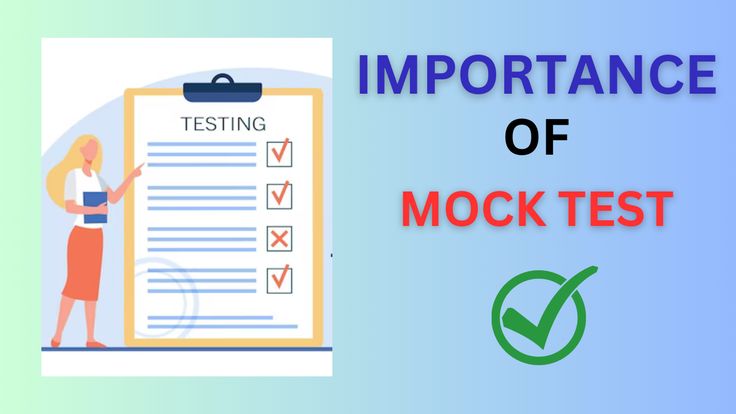
Why Mock Tests Are Important
Mock tests help you:
- Experience real exam-like conditions
- Improve question-solving speed
- Build accuracy under pressure
- Reduce exam fear and anxiety
Without mock tests, your preparation remains incomplete.
When to Start Mock Tests
- Beginner Stage: Start after completing basic concepts
- Mid Preparation: 1–2 mocks per week
- Final Phase: Daily full-length mock tests
Early start + consistent practice = better performance
Mock Test Analysis (Most Important Part)
After every mock test, spend time analyzing:
What to Check:
- Accuracy rate (correct vs wrong)
- Time spent on each question
- Weak topics
- Silly mistakes
Remember: Analysis is more important than the test itself
How to Attempt Mock Tests Effectively
First Attempt Strategy
- Attempt easy questions first
- Skip time-consuming questions
- Maintain a steady pace
Section-wise Approach
- Divide time for each section
- Don’t overspend time on one section
- Try to maximize score in strong areas
Smart attempting strategy can boost your score significantly.
Time Management Tips
- Divide time subject-wise
- Practice with timer
- Avoid spending too much time on one question
Smart time management can increase your score significantly
Common Mistakes to Avoid
- Studying without a plan
- Ignoring weak subjects
- Not revising regularly
- Attempting too many resources
- Skipping mock tests
Avoid these mistakes to stay ahead of competition
Best Books & Resources
Choosing the right books and resources is a game-changing factor in government exam preparation. Many toppers recommend limited but high-quality study material instead of reading too many books.
Best Overall Book (GK & All Subjects)
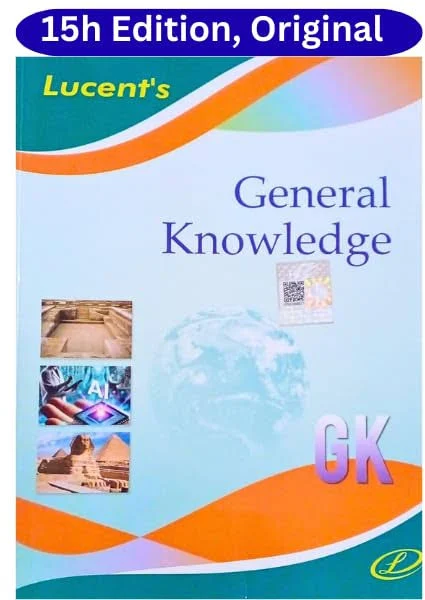
- Covers all major subjects in one place
- Best for SSC, Railway, Banking & other exams
- Easy language & quick revision
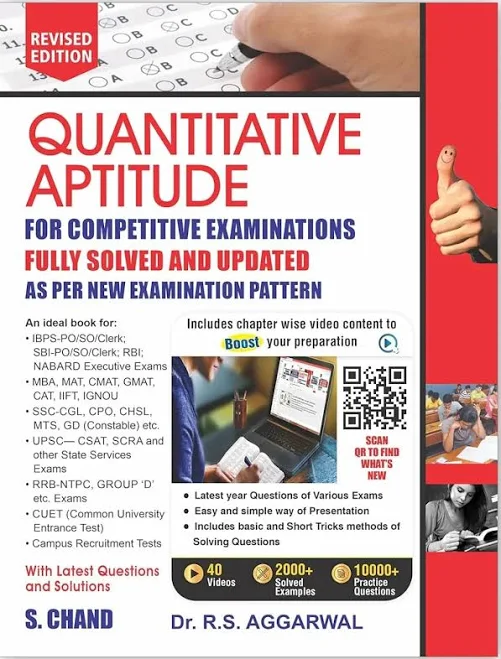
Best Book for Quantitative Aptitude
Quantitative Aptitude (RS Aggarwal) · ₹399
A comprehensive book to build strong maths concepts and practice for competitive exams.
- Strong foundation for beginners
- Large number of practice questions
- Covers all important topics
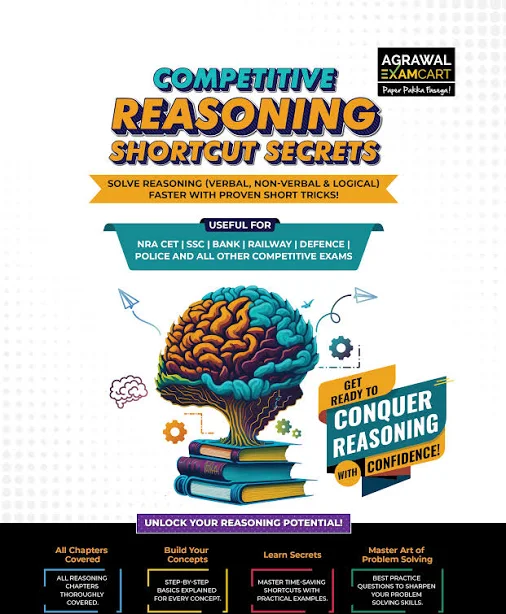
Best Book for Reasoning
Focuses on logical reasoning with shortcut techniques for faster problem-solving.
- Improves logical thinking
- Helpful for puzzles and analytical questions
- Includes shortcut tricks
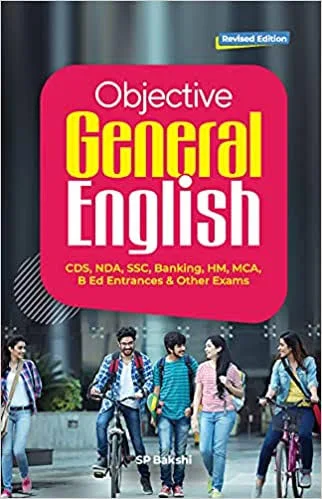
Best Book for English
Objective General English · ₹281
A popular book for grammar, vocabulary, and comprehension practice for exams.
- Covers grammar rules in detail
- Useful for SSC, Banking exams
- Includes practice exercises
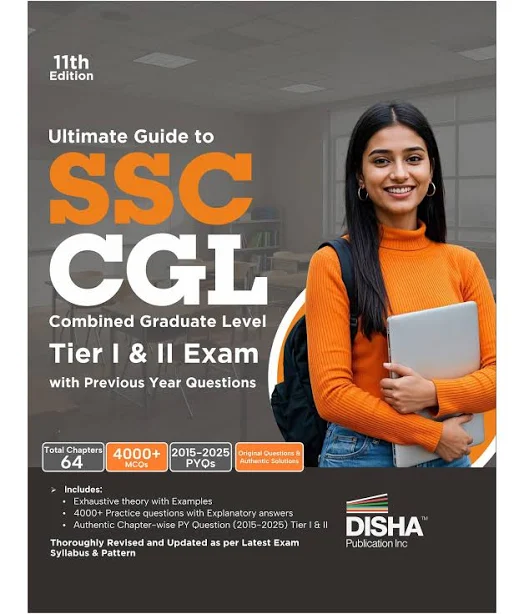
Best Book for Previous Year Papers
Disha Ultimate Guide to SSC CGL · ₹594
Includes previous year questions with detailed solutions for SSC exams.
Stay Motivated During Preparation
Preparation can be stressful, so:
- Take short breaks
- Avoid burnout
- Stay positive
Remember: Success takes time, don’t quit early
Daily Routine of Successful Candidates
H3: Ideal Study Schedule
- Morning: Quant & Reasoning
- Afternoon: English
- Evening: GK & Current Affairs
- Night: Revision
Study 6–8 hours daily with focus
Power Tips to Crack Government Exams
- Focus on accuracy over attempts
- Revise more, learn less new content
- Practice daily
- Stay consistent
Consistency is the real key to success
Final 30 Days Strategy
- Focus only on revision
- Attempt daily mock tests
- Avoid new topics
- Strengthen weak areas
Last month preparation is crucial for selection
Conclusion
Cracking government exams is not about studying endlessly—it’s about studying smart with the right strategy, resources, and consistency. From understanding the exam pattern to practicing previous year papers and attempting mock tests, every step plays a crucial role in your success.
Choosing the right books, especially for subjects like Quantitative Aptitude, Reasoning, English, and General Awareness, helps you build a strong foundation and improve accuracy over time. But remember, books alone are not enough—regular practice, revision, and analysis are equally important.
- Stay focused on your goal
- Avoid distractions and follow a proper study plan
- Believe in consistency over shortcuts
In the end, success in government exams comes down to discipline, patience, and continuous improvement. If you stay dedicated and follow the right approach, cracking even the toughest exams becomes achievable.